
Root Canal Therapy
When the soft tissue inside a tooth becomes inflamed or infected, root canal therapy can often relieve the pain and save the natural tooth instead of removing it.
Understanding your options
About Root Canal Therapy
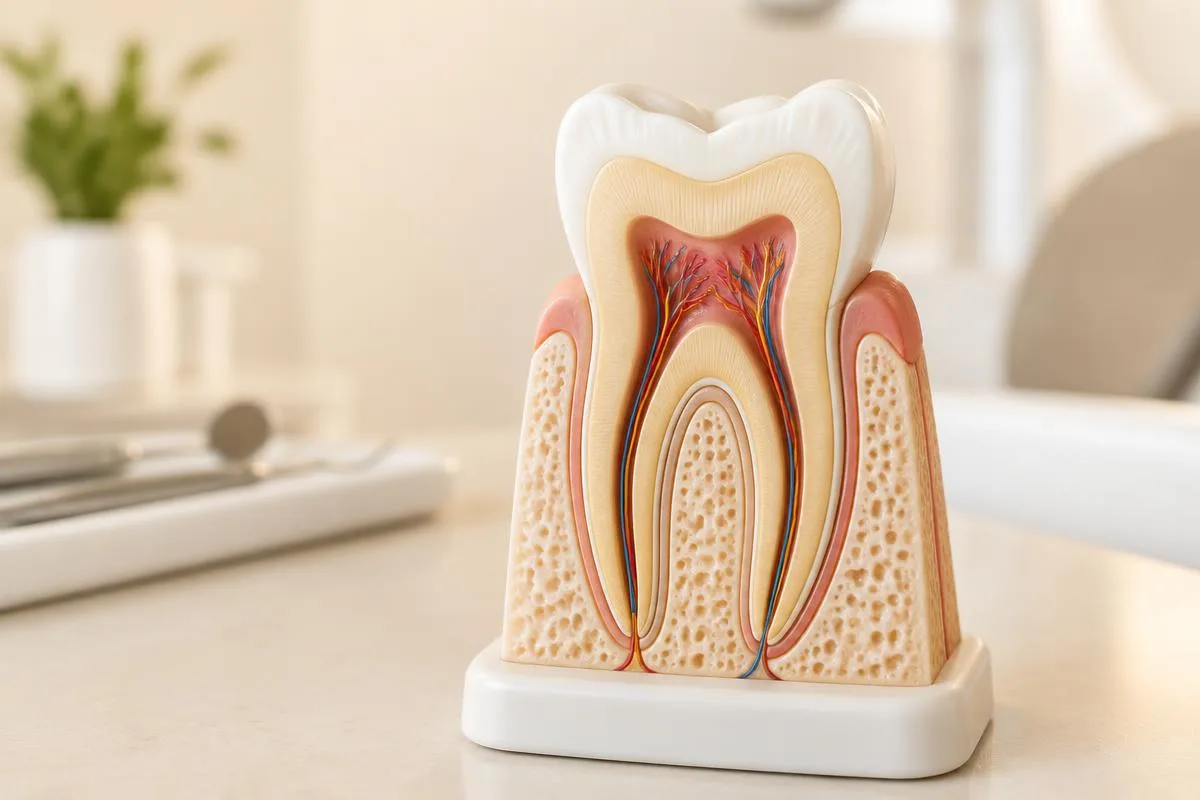
Inside each tooth is soft tissue containing nerves and blood vessels. Deep decay, cracks or repeated dental work can allow this tissue to become inflamed or infected, which may cause persistent pain, sensitivity or swelling. Root canal treatment involves cleaning and sealing the canals inside the tooth. A treated tooth is often weaker, so a crown or other restoration is commonly recommended afterward. In some situations, extraction and replacement of the tooth may be discussed as an alternative.
Who may benefit
- Patients with lingering toothache or pain when biting
- People with deep decay or a cracked tooth affecting the nerve
- Patients who have been told a tooth may need root canal treatment
Suitability is determined through an individual dental assessment.
Care options to discuss
Your recommended care depends on the findings of your examination. Not every option is appropriate for every patient; referral may be needed for some treatments.
- ✓Assessment and imaging of the affected tooth
- ✓Root canal treatment under local anaesthetic
- ✓Relief of pain caused by inflammation or infection
- ✓Protective filling or crown after treatment
- ✓Follow-up checks on healing
Why patients choose us
- • Keeps your natural tooth when possible
- • Relieves pain caused by an infected tooth
- • Usually completed in one or more visits with local anaesthetic
Bring your insurance or Canadian Dental Care Plan (CDCP) details. Coverage, approval requirements and out-of-pocket costs vary by treatment and plan. Ask for an estimate before proceeding.
Your care journey
What to expect
Assess the tooth
An examination and imaging help determine whether the inner tissue is affected and whether root canal treatment is suitable.
Treat the tooth
The tooth is numbed, the inner canals are cleaned and shaped, and they are sealed, usually over one or more visits.
Protect and review
A filling or crown is placed to restore the tooth's strength, and healing is checked at a follow-up visit.
Looking after your smile
It is normal to feel some tenderness for a few days after treatment; follow your dentist's advice on relief and contact the clinic if pain or swelling worsens. Avoid chewing hard foods on the treated tooth until it is fully restored. A completed root canal does not make the tooth immune to decay, so keep brushing, cleaning between teeth and attending checkups.
Common questions
Does root canal treatment hurt?
The tooth is numbed with local anaesthetic during treatment. Many patients say the procedure feels similar to having a filling placed. Some tenderness afterward is common and usually settles within a few days.
Why not just have the tooth removed?
Saving a natural tooth is usually preferred when possible, because it maintains chewing and bite function. If extraction is the better option for your situation, replacement choices such as a bridge, implant or denture can be discussed.
Do I need a crown afterwards?
Teeth that have had root canal treatment are often weaker and more prone to fracture. A crown or other protective restoration is commonly recommended, but the right choice depends on how much tooth structure remains.
This information is general guidance, not a diagnosis or a substitute for an individual examination. Treatment choices, risks, costs and results vary from person to person.