
Restorative Care
When teeth are damaged, worn or missing, we restore their strength, comfort and appearance with durable, high-quality treatments.
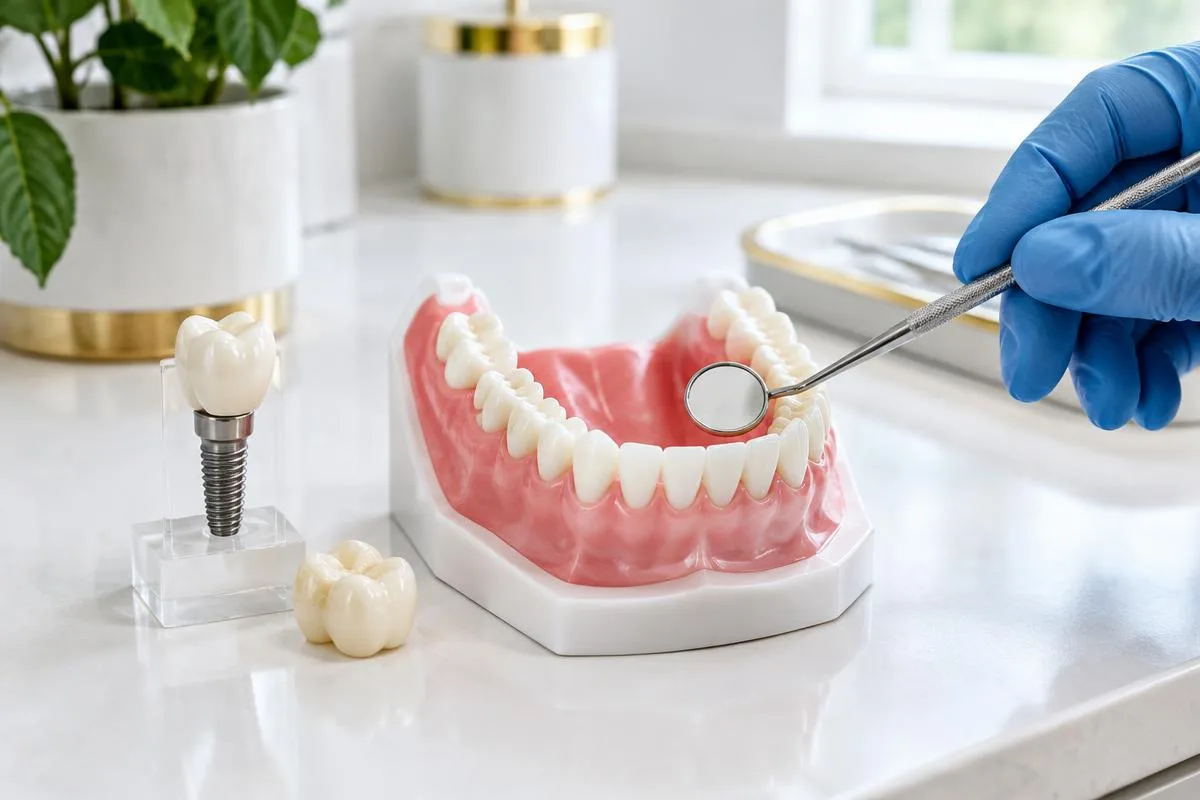
Understanding your options
About Restorative Care
Restorative dentistry repairs damaged teeth and considers options for replacing missing ones. A small area of decay may be treated with a filling, while a more weakened tooth may need a crown. Bridges, dentures and implants have different requirements and maintenance needs. Root canal treatment may be considered when the tissue inside a tooth is inflamed or infected.
Who may benefit
- Patients with cavities, broken teeth or worn dental work
- People with missing teeth or difficulty chewing
- Patients comparing ways to repair or replace a tooth
Suitability is determined through an individual dental assessment.
Care options to discuss
Your recommended care depends on the findings of your examination. Not every option is appropriate for every patient; referral may be needed for some treatments.
- ✓Tooth-coloured fillings
- ✓Crowns
- ✓Bridges
- ✓Inlays and onlays
- ✓Chipped or broken tooth repairs
- ✓Replacement of worn or damaged fillings
Why patients choose us
- • Eat and speak comfortably again
- • Long-lasting materials
- • Treatments explained in plain language
Bring your insurance or Canadian Dental Care Plan (CDCP) details. Coverage, approval requirements and out-of-pocket costs vary by treatment and plan. Ask for an estimate before proceeding.
Your care journey
What to expect
Find the cause
An examination and any necessary imaging help assess damage, infection, gum support and your bite.
Choose a treatment plan
Compare suitable options, alternatives, risks, costs and the possibility of further assessment or referral.
Restore and maintain
Complete treatment over the required visits, check comfort and your bite, and review care instructions.
Looking after your smile
Follow the instructions for your specific procedure. Keep restorations and the surrounding gums clean, including under bridges where advised. Contact the clinic if your bite feels uneven or pain is worsening. Repaired teeth and replacement teeth still need regular dental assessment.
Common questions
When is a crown needed instead of a filling?
A crown may be recommended when a tooth has lost substantial structure or needs added protection. The decision depends on the remaining tooth, existing cracks and biting forces.
Is everyone a candidate for a dental implant?
No. Gum health, bone support, medical history and other factors affect suitability. Additional assessment, treatment or specialist referral may be required.
How many appointments will I need?
It depends on the procedure and complexity. Some repairs can be completed in one visit; crowns, dentures, implants or more involved care may require several visits and healing time.
This information is general guidance, not a diagnosis or a substitute for an individual examination. Treatment choices, risks, costs and results vary from person to person.