
Invisalign
Straighten your teeth without metal braces. Invisalign clear aligners are nearly invisible, removable and comfortable to wear.
Understanding your options
About Invisalign
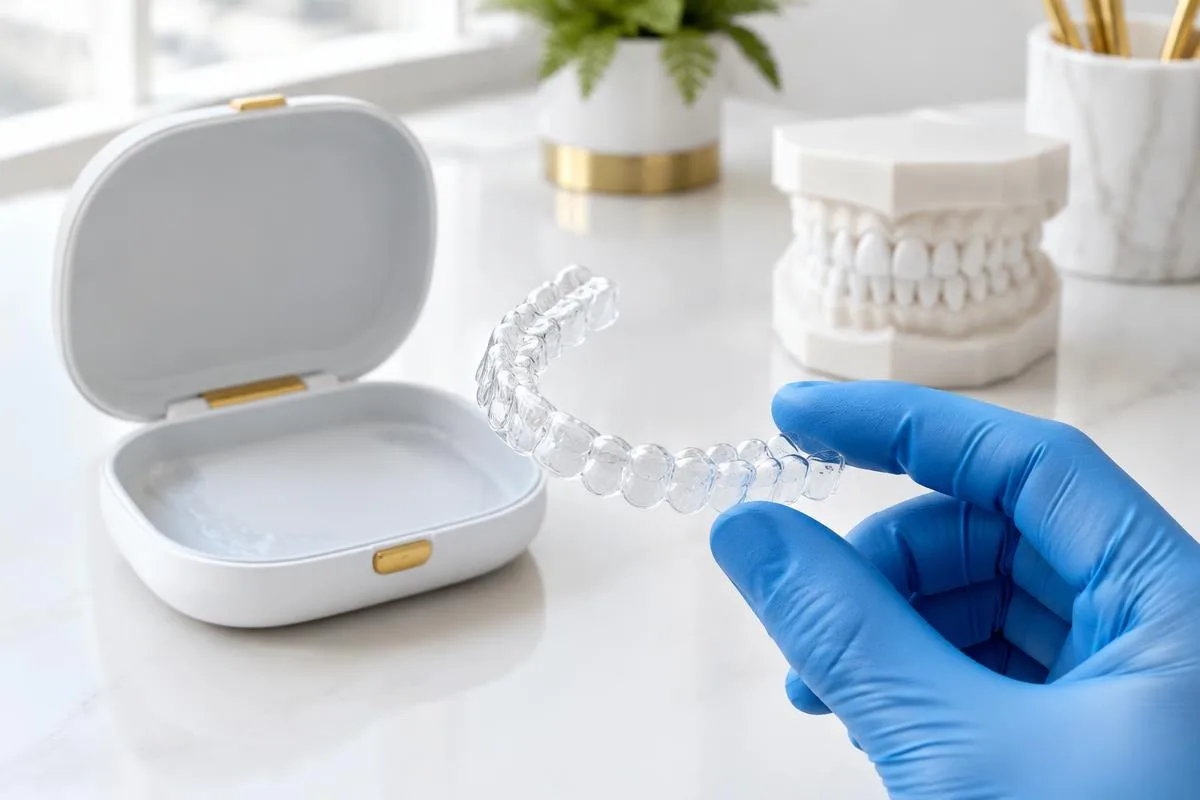
Invisalign uses a planned series of clear aligners to gradually move teeth. It may be suitable for certain crowding, spacing and bite concerns, but not every case. Healthy teeth and gums, consistent wear and follow-up visits are important. Some plans use small tooth-coloured attachments or other measures to help achieve the planned movement.
Who may benefit
- People exploring treatment for crowded or spaced teeth
- Patients interested in a removable orthodontic option
- Patients able to commit to prescribed wear and follow-up care
Suitability is determined through an individual dental assessment.
Care options to discuss
Your recommended care depends on the findings of your examination. Not every option is appropriate for every patient; referral may be needed for some treatments.
- ✓Smile assessment and consultation
- ✓Digital treatment planning
- ✓Custom clear aligners
- ✓Regular progress checkups
- ✓Retainers after treatment
Why patients choose us
- • Nearly invisible
- • Remove to eat and brush
- • Fewer visits than traditional braces
Bring your insurance or Canadian Dental Care Plan (CDCP) details. Coverage, approval requirements and out-of-pocket costs vary by treatment and plan. Ask for an estimate before proceeding.
Your care journey
What to expect
Assess suitability
Review your oral health, bite and goals, with records or imaging as needed to assess whether aligners are appropriate.
Review the proposed plan
Discuss planned tooth movement, treatment limitations, estimated duration, costs and any attachments or additional procedures.
Wear, monitor and retain
Wear each set as prescribed, attend progress checks and use retainers after treatment to help maintain the result.
Looking after your smile
Remove aligners for eating and drinks other than plain water. Clean your teeth before reinserting them and clean the aligners as instructed; avoid hot water that could distort them. Follow the prescribed wear and change schedule. Retainers are usually needed long-term because teeth can move after treatment.
Common questions
How long does Invisalign treatment take?
Duration depends on the movements required, your bite and adherence to the plan. An individualized estimate can be given after assessment, but the plan may change as treatment progresses.
How many hours should I wear the aligners?
Aligners are typically worn for 20–22 hours a day, but follow your treating clinician's specific instructions. Consistent wear is important for planned tooth movement.
Will I need retainers afterward?
Yes, retention is generally needed to help keep teeth in their new positions. Your clinician will recommend the type of retainer and a long-term wear schedule.
This information is general guidance, not a diagnosis or a substitute for an individual examination. Treatment choices, risks, costs and results vary from person to person.