
Dental Implants
A dental implant is a small post placed in the jaw that supports a replacement tooth. Implants look and work much like a natural tooth and can replace one tooth or several.
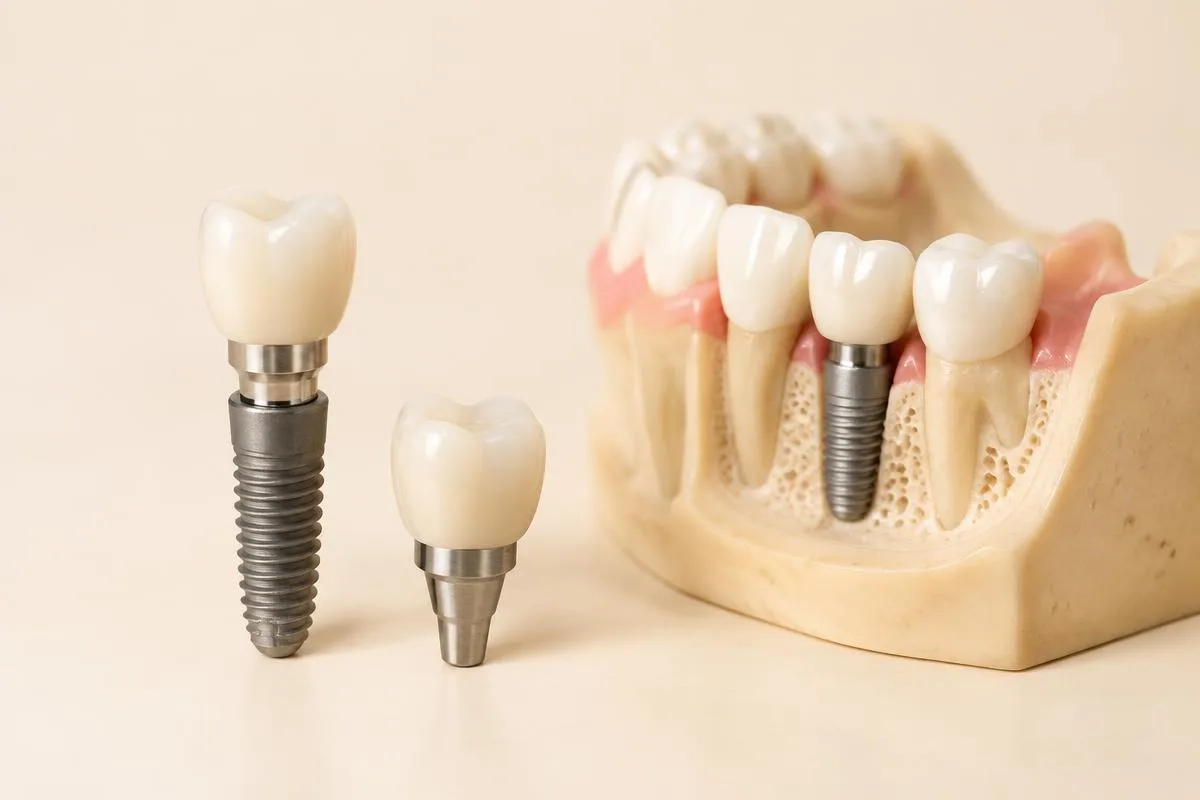
Understanding your options
About Dental Implants
A dental implant replaces the root of a missing tooth with a small titanium post that bonds with the jawbone over time. A connecting piece and a custom-made crown, bridge or denture are then attached. Suitability depends on gum health, bone support, medical history and habits such as smoking. Treatment typically takes place over several months to allow healing, and not every case can be completed in this clinic — some situations require referral to a specialist.
Who may benefit
- People with one or more missing teeth
- Patients who want a fixed alternative to a removable denture
- Patients in good general and gum health who can allow time for healing
Suitability is determined through an individual dental assessment.
Care options to discuss
Your recommended care depends on the findings of your examination. Not every option is appropriate for every patient; referral may be needed for some treatments.
- ✓Implant consultation and assessment
- ✓Imaging to evaluate bone and gum support
- ✓Placement of the implant post
- ✓Custom crown, bridge or denture attached to the implant
- ✓Ongoing maintenance and review visits
Why patients choose us
- • Feels and works like a natural tooth
- • Does not require shaping neighbouring teeth
- • A long-term option with proper care
Bring your insurance or Canadian Dental Care Plan (CDCP) details. Coverage, approval requirements and out-of-pocket costs vary by treatment and plan. Ask for an estimate before proceeding.
Your care journey
What to expect
Assess suitability
Your oral health, bone support, medical history and goals are reviewed, with imaging as needed, to determine whether implants are an option.
Place and heal
The implant post is placed and given time to bond with the jawbone. Additional procedures may sometimes be needed first.
Restore and maintain
A custom crown, bridge or denture is attached, and the implant is checked and cleaned at regular review visits.
Looking after your smile
Care for an implant like a natural tooth: brush twice daily, clean between teeth and around the implant, and attend recommended checkups. Gum inflammation around implants can threaten their long-term success if ignored. Avoid smoking, which affects healing and long-term outcomes, and contact the clinic promptly if an implant area becomes painful, swollen or loose.
Common questions
Am I a candidate for dental implants?
Suitability depends on gum health, bone support, medical history, medications and habits such as smoking. An assessment with imaging is needed to determine whether implants are an option for you, and whether any preparatory treatment is required.
How long does implant treatment take?
Treatment usually takes several months, because the implant needs time to bond with the jawbone before the final tooth is attached. Timelines vary with your situation and any additional procedures needed.
Do implants last forever?
Implants can last many years, but no treatment is guaranteed for life. Their long-term success depends on good hygiene, regular reviews, your general health and habits. Repairs to the crown or denture part may still be needed.
This information is general guidance, not a diagnosis or a substitute for an individual examination. Treatment choices, risks, costs and results vary from person to person.